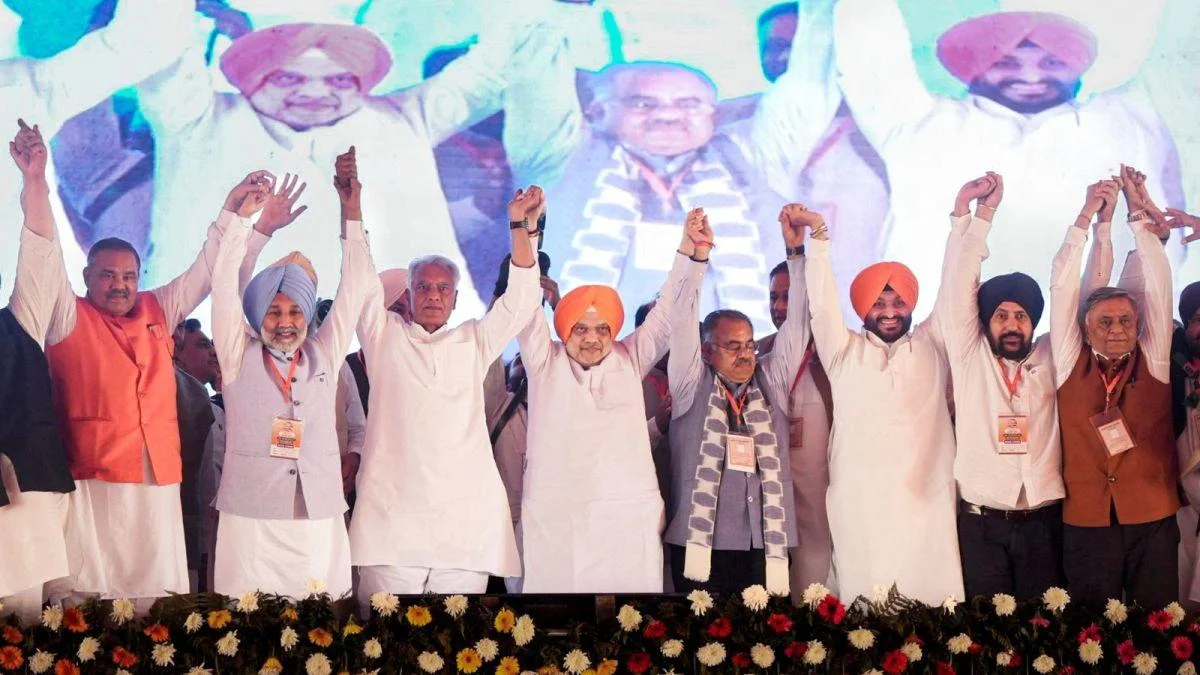
Punjab’s political landscape could be heading towards another significant shift as discussions and speculation around a possible reunion between the Bharatiya Janata Party (BJP) and Shiromani Akali Dal (SAD) continue to attract attention. With the 2027 Punjab Assembly elections approaching, the possibility of the two former allies coming together again could reshape the political contest and put fresh pressure on the ruling Aam Aadmi Party (AAP).
The BJP and SAD have a long political history in Punjab. Their alliance was once among the state’s most recognisable political partnerships, built around electoral cooperation and shared political interests. However, their relationship took a major turn during the farmers’ protest against the farm laws, which led SAD to leave the BJP-led National Democratic Alliance in 2020.
Now, with the next Assembly election approaching, the question is whether the two parties could find common ground again.
Why a BJP-SAD reunion is being discussed again
Political alliances in Punjab are rarely built on national politics alone. Farmers’ concerns, Sikh political representation, rural influence, urban voters and local leadership all play an important role in determining electoral outcomes.
The BJP and SAD once worked together for years, with SAD holding a strong position in rural Punjab and the BJP traditionally having a comparatively stronger presence among urban voters. Their partnership offered both parties a broader electoral reach.
The separation, however, was not simply a political disagreement. The farm laws controversy became a major turning point, particularly because agriculture remains central to Punjab’s economy, identity and political debate.
Any attempt to rebuild this alliance would therefore require more than discussions between party leaders. It would require rebuilding trust among voters and addressing the political concerns that led to their separation.
Can the BJP and SAD challenge AAP together?
The Aam Aadmi Party entered Punjab politics with a strong anti-establishment message and secured a decisive victory in the 2022 Assembly elections. Since then, Punjab’s political contest has continued to evolve, with opposition parties attempting to regain political ground.
A combined BJP-SAD platform could potentially bring together different voter segments. SAD has historically had an established organisational network in rural areas, while BJP has been attempting to expand its political footprint across Punjab.
However, electoral arithmetic alone does not guarantee success.
Voters may evaluate the alliance on issues such as employment, agricultural policy, law and order, economic conditions, education, healthcare and the performance of the current government. The credibility of the alliance’s leadership and its ability to present a clear political agenda will also matter.
The farmers’ issue remains the biggest challenge
One of the biggest hurdles to any renewed BJP-SAD partnership could be the lingering political impact of the farmers’ movement.
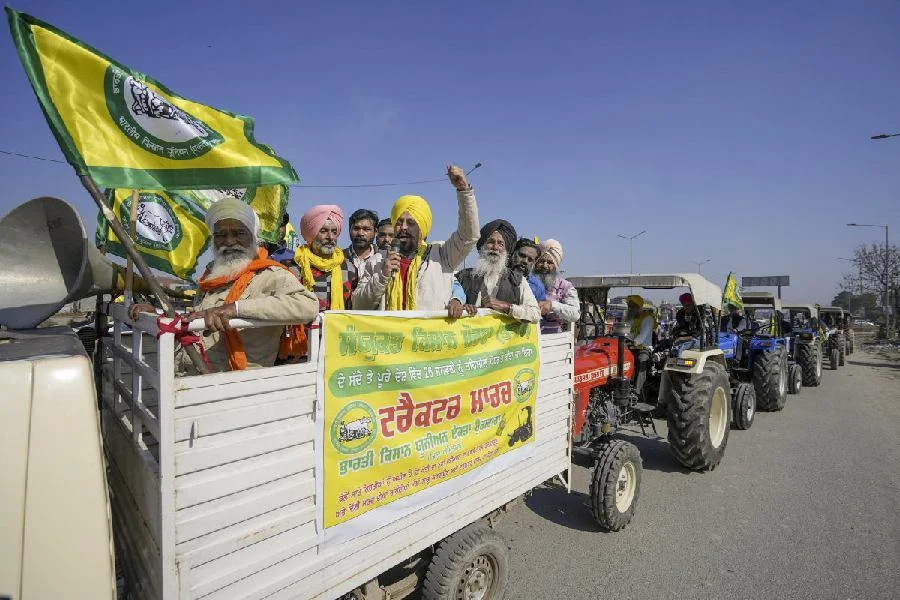
The farm laws controversy significantly affected the relationship between the two parties. SAD’s decision to leave the alliance was closely linked to the issue, and any renewed cooperation would likely face scrutiny from farmers, agricultural organisations and political opponents.
The BJP would need to demonstrate how it intends to address Punjab’s agricultural concerns, while SAD would have to convince voters that a renewed partnership aligns with its political commitments.
This could become one of the defining questions in the run-up to the 2027 election.
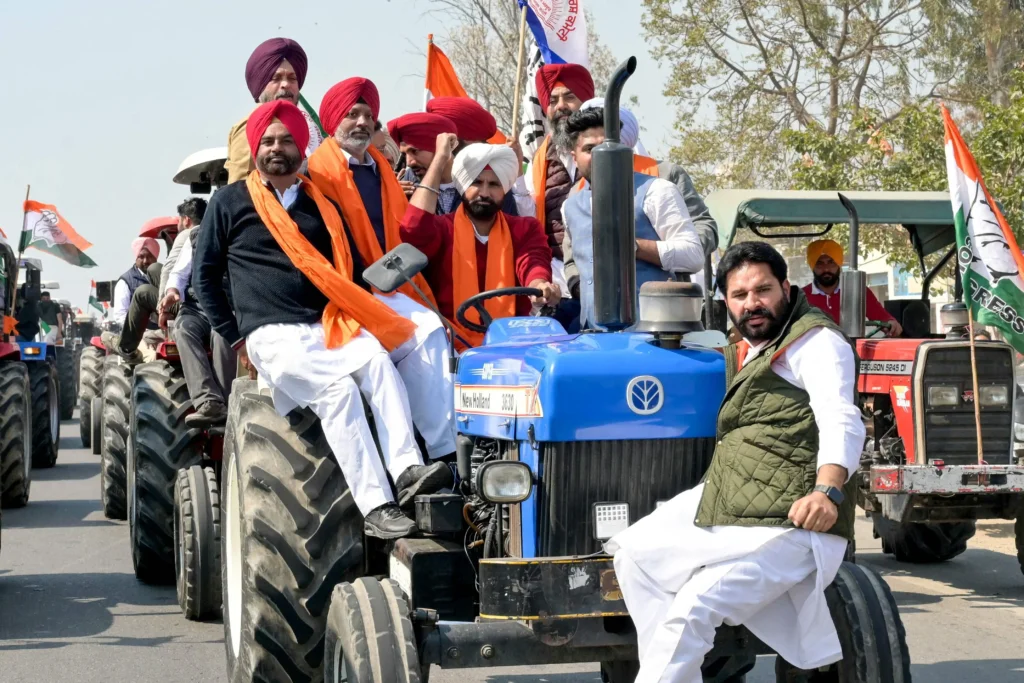
What could the reunion mean for other political parties?
A possible BJP-SAD alliance could also influence the strategies of Congress, AAP and other political players in Punjab.
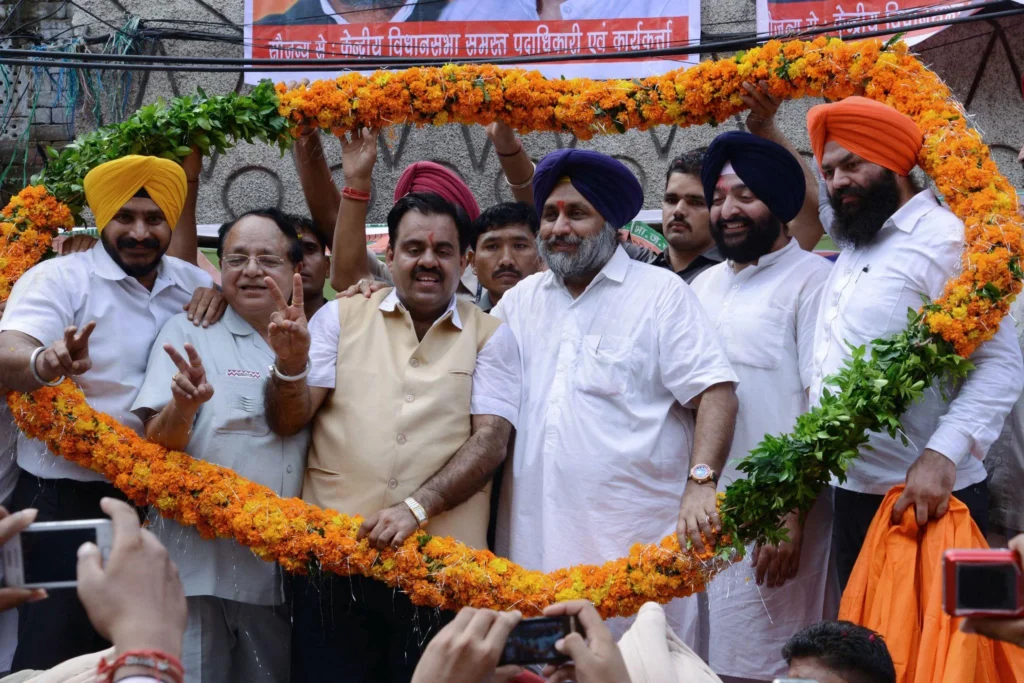
Congress may seek to consolidate anti-incumbency sentiment and strengthen its organisation across constituencies. AAP, meanwhile, would likely focus on its governance record and the promises it made to voters.
Other political groups could also benefit from changes in voter preferences, particularly if the alliance creates disagreements among regional political supporters.
The eventual impact would depend on the alliance’s terms, seat-sharing arrangement, candidate selection and campaign strategy.
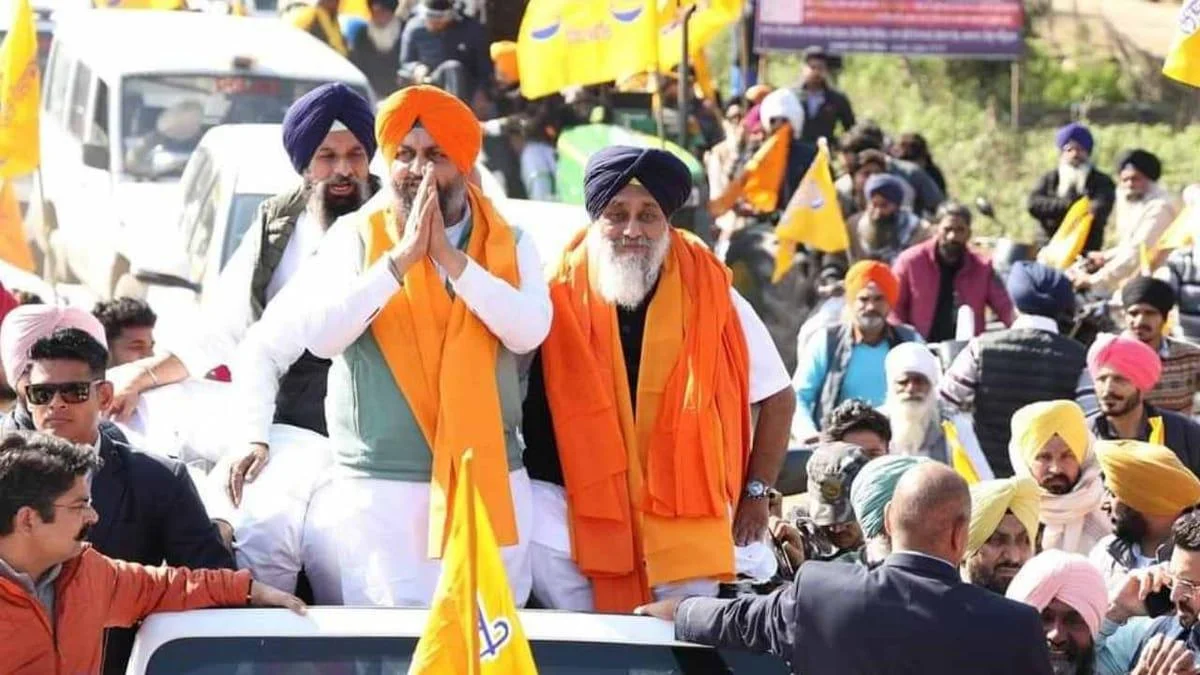
Seat-sharing could decide the future of the alliance
Even if both parties become willing to cooperate, deciding how many constituencies each party contests could be difficult.
The BJP has been trying to build a stronger independent political base in Punjab, while SAD would likely want to protect its traditional constituencies and political influence.
Negotiations over seats, leadership roles and campaign priorities could become the most difficult part of any alliance arrangement.
A partnership that appears politically attractive at the state level could still face challenges at the constituency level if local leaders or supporters disagree with the arrangement.
Is a BJP-SAD reunion enough to change Punjab’s political equation?
A BJP-SAD reunion could make the 2027 Punjab Assembly elections more competitive, but the outcome would depend on several factors rather than the alliance itself.
Punjab voters have historically demonstrated that political loyalties can change when economic, social and governance concerns become central to the election. A renewed partnership would have to offer a convincing political alternative rather than simply rely on its past electoral performance.
The coming months could provide a clearer picture of whether the two parties are seriously moving towards political cooperation or whether reunion discussions remain part of broader political speculation.