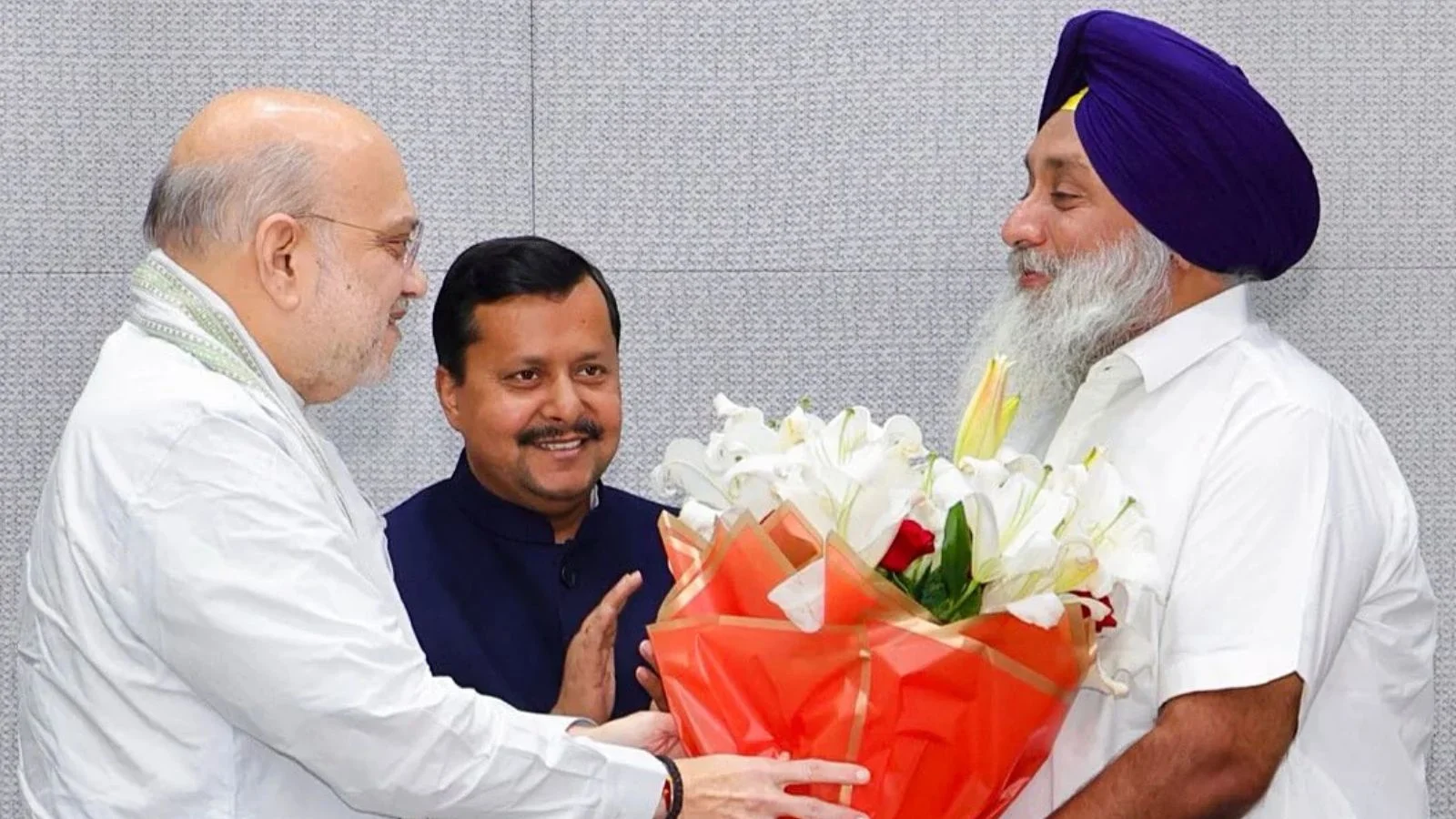
CHANDIGARH — Whispers of a political reunion echo across Punjab’s power corridors. The Bharatiya Janata Party and the Shiromani Akali Dal are weighing a possible reconciliation ahead of the 2027 assembly polls. Negotiations face heavy headwinds from grassroots anger and unresolved panthic flashpoints, according to senior leaders tracking the backchannel talks.
Party insiders revealed that seat-sharing formulas remain secondary to deeply emotive panthic demands. Akali Dal leaders face intense pressure from community members demanding justice over past sacrilege incidents and the prolonged detention of Sikh prisoners. Sukhbir Singh Badal’s faction cannot afford to appear subservient to national leaders without securing substantial concessions on these core religious grievances.
The Minister Factor and Urban Anxieties
Union Minister Ravneet Singh Bittu complicates equations further. His aggressive political positioning against traditional Akali leadership creates friction within the coalition framework. BJP strategists value his influence among urban Hindu voters. However, that exact support base often views any compromise with regional Sikh satraps through a lens of skepticism.
Party meetings held behind closed doors in Chandigarh highlight the widening trust deficit. Local cadres remember the bitter acrimony of the 2022 assembly campaign. Many district-level workers refuse to cede traditional turfs without clear electoral guarantees. Convincing them requires more than central directives issued from party headquarters in the capital.
The Road Ahead to 2027
Time works against rapid reconciliation. Both parties must test their independent organizational strength during upcoming local body elections across municipal corporations. Regional observers note that electoral outcomes in these civic polls will dictate final bargaining positions. Formal committee deliberations are scheduled to resume after the ongoing legislative session concludes next month.