

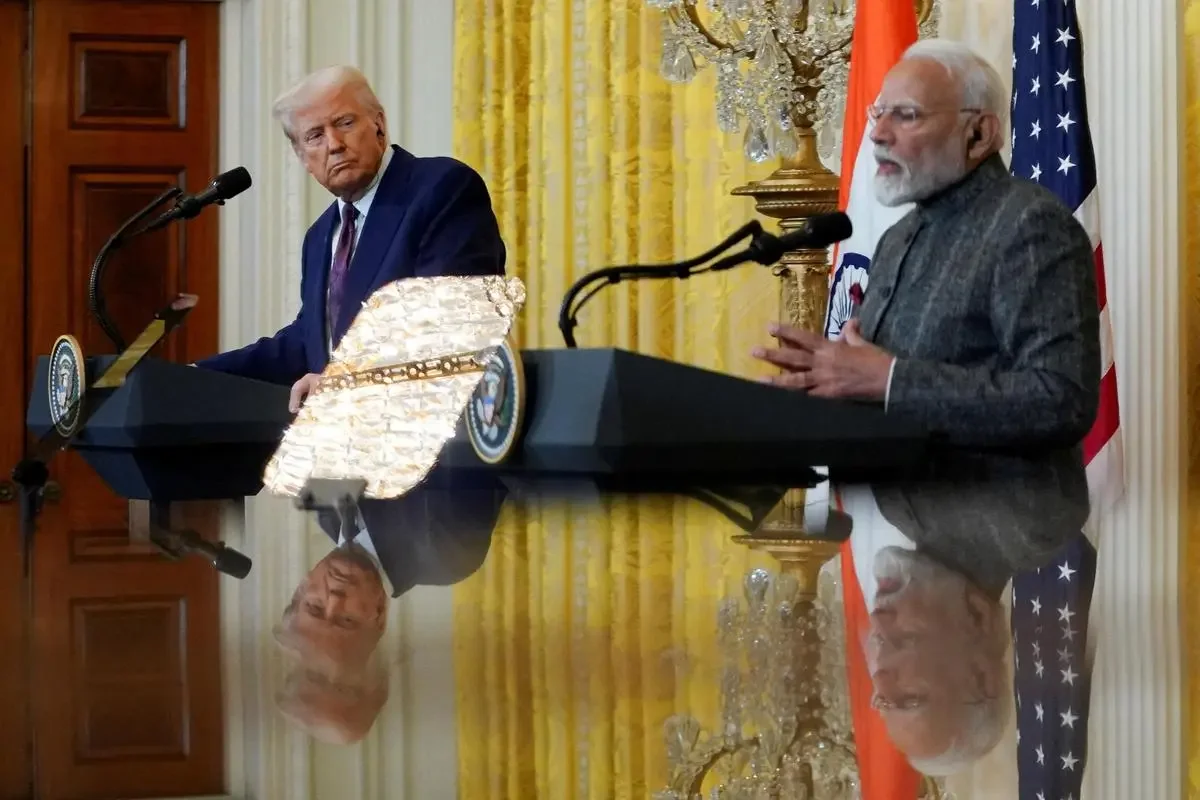
NEW DELHI — Washington has redrawn the boundaries of extraterrestrial diplomacy. Donald Trump’s newly minted ‘Freedom in Space’ doctrine signals an aggressive push to rewrite lunar exploration norms. For South Block, the strategic stakes could not be higher. New Delhi now faces a complex diplomatic tightrope walk balancing security partnerships with traditional non-aligned autonomy.
The Artemis Accords and New Delhi’s Dilemma
India signed the US-led Artemis Accords last year. Officials in New Delhi insisted the move protected national interests. Critics, however, warn that Washington’s unilateral policy declarations could bypass the United Nations Committee on the Peaceful Uses of Outer Space. Space policy analysts familiar with the development argue that India’s strategic autonomy faces unprecedented pressure. The new American posture demands strict alignment on commercial property rights on the lunar surface.
Strategic autonomy remains corner-stone foreign policy. Yet, New Delhi relies heavily on technological collaboration with Western space agencies. This creates friction. ISRO continues to operate independently, launching cost-effective interplanetary missions with remarkable precision. Can that independence survive aggressive commercialization pushed by Washington? Senior defense planners met in South Block on Monday to review the implications.
Navigating Beijing and Washington
Beijing watches these developments closely. China’s lunar base initiatives run parallel to American ambitions. India finds itself sandwiched between two technological superpowers. Diplomatic channels are working overtime. Ministry of External Affairs representatives maintain that India’s space program serves exclusively peaceful national development.
Parliamentary committees have scheduled review meetings next month. Lawmakers will examine the long-term impact of bilateral space agreements on domestic manufacturing and defense preparedness. The Cabinet Committee on Security is expected to deliberate on space deterrence frameworks before the upcoming winter session begins.