
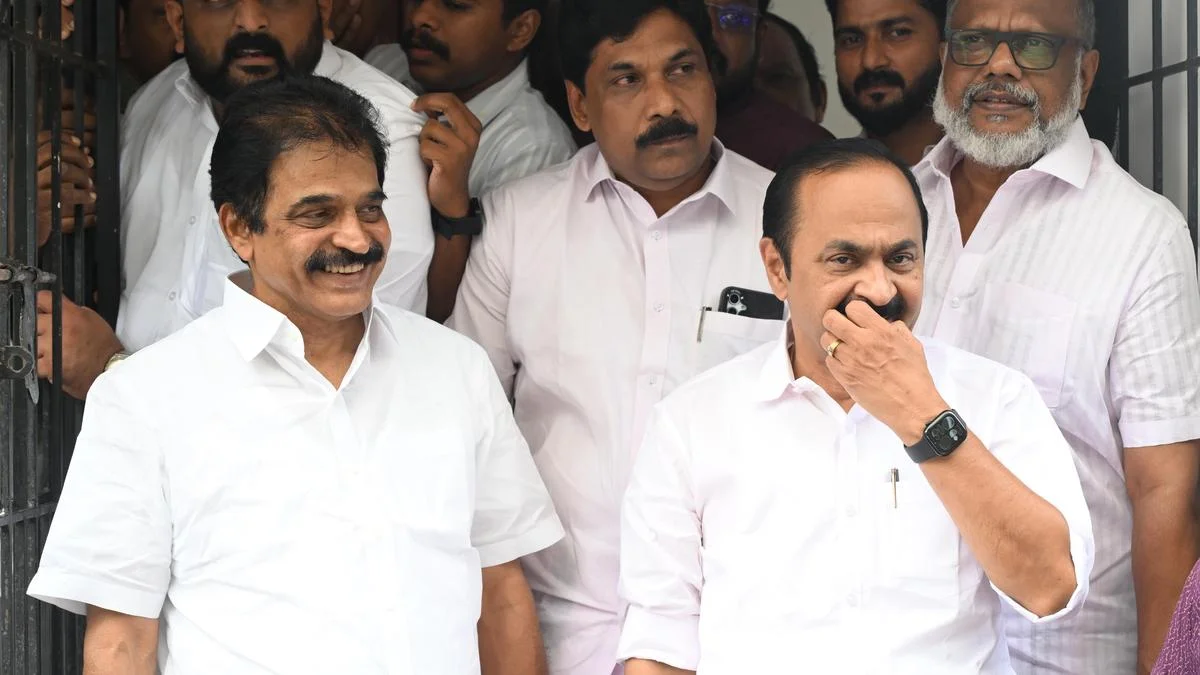
During a key Public Accounts Committee conference, senior political figures addressed critical oversight matters. Congress parliamentarian KC Venugopal urged the Comptroller and Auditor General to refocus its auditing efforts on vital social welfare programs, highlighting concerns that these crucial initiatives are currently being neglected.
Focus on Social Welfare Audits
During the recent Public Accounts Committee (PAC) conference, parliamentary oversight discussions took center stage as senior leaders evaluated the current scope and priorities of national financial audits. Parliament PAC head and senior Congress leader KC Venugopal strongly advocated for a strategic shift in how the Comptroller and Auditor General (CAG) conducts its evaluations.
Venugopal pointedly requested the auditing body to direct its attention toward vital social welfare programmes. According to the parliamentary leader, these foundational public benefit initiatives are increasingly being sidelined or neglected in regular auditing processes, necessitating immediate course correction to ensure transparency and accountability.
Evaluating Constitutional Oversight Boundaries
The conference also featured significant deliberations concerning audit reports allegedly falling outside established constitutional purviews. State-level political figures, including opposition leader VD Satheesan, contributed to the discourse by spotlighting specific audit documents that have stirred debate regarding their jurisdictional appropriateness and alignment with statutory mandates.
Such discussions underscore the ongoing administrative tensions between legislative oversight bodies and supreme audit institutions in India. By bringing these issues to the forefront of the PAC platform, political leaders aim to reinforce strict adherence to constitutional boundaries while ensuring that public expenditure on marginalized and vulnerable populations receives rigorous scrutiny.
The deliberations at the PAC conference reflect broader concerns about the efficacy of financial governance and the need for statutory watchdogs to balance macro-economic reviews with grass-roots welfare implementation assessments.