

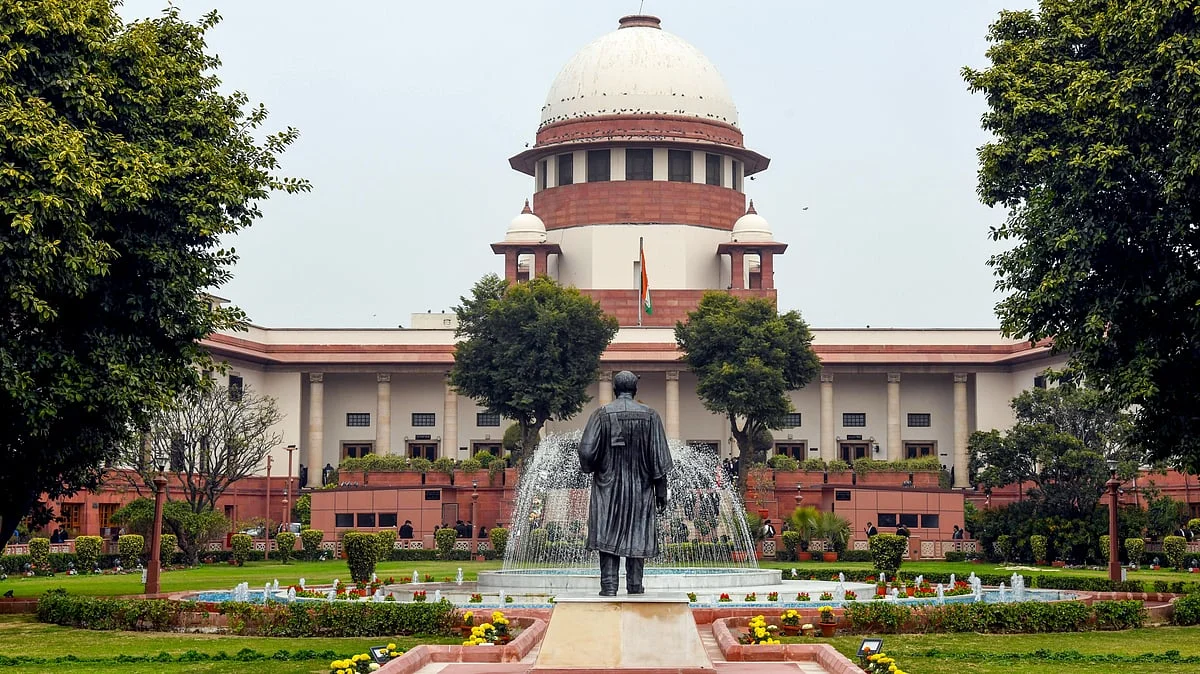
The Supreme Court of India has rejected the Union Government’s challenge against an international arbitral award granted to natural resources conglomerate Vedanta. Scrutinizing the Centre’s persistent opposition to award enforcement after international judicial resolution, the bench warned that hindering arbitral decisions undermines foreign investor confidence and erodes global faith in India’s commitment to international dispute settlement frameworks.
In a significant legal setback to the Union Government, the Supreme Court of India has formally dismissed the Centre’s petition challenging arbitral awards rendered in favor of mining and natural resources giant Vedanta. The top court expressed strong disapproval over the executive’s procedural resistance, questioning why government authorities continued to obstruct the execution of an arbitral decision that had already undergone extensive adjudication across international courts.
Supreme Court Criticizes Obstruction of International Awards
During the proceedings, the apex court raised sharp questions regarding the administration’s overall stance on international arbitration enforcement. The bench highlighted that repeatedly contesting final arbitral decisions, particularly after foreign courts have already adjudicated the underlying dispute, sends troubling signals to global commercial partners. Judges observed that such delaying tactics risk severely diminishing international confidence in India’s legal environment, remarking that persistent challenges could lead foreign investors to lose trust in government commitments.
Furthermore, the apex court’s observations draw attention to the prolonged nature of litigation involving state agencies. The bench stressed that persistent attempts to stall final awards create unnecessary friction in commercial relations and strain judicial bandwidth. The ruling underscores growing judicial impatience with sovereign entities attempting to bypass or delay international arbitration outcomes once formal dispute resolution channels have concluded.
Impact on Global Investor Sentiment and Policy
The judicial rebuke carries notable political and economic implications for the Union Government’s policy messaging. While the Centre actively promotes India as a global business destination and an emerging seat for international arbitration, persistent litigation against arbitral decrees creates tension between state policy goals and institutional execution. Legal observers note that frustrating award enforcement conflicts with broader national efforts to improve ease-of-doing-business standards.
By prioritizing the finality of foreign arbitral determinations, the Supreme Court has re-emphasized the necessity of maintaining predictable, enforcement-friendly legal practices. The judgment serves as a clear directive to government ministries that policy implementation must align with established international arbitration norms to preserve global institutional credibility.
Key Takeaways from the Ruling
- Plea Rejected: The Supreme Court dismissed the Centre’s petition challenging international arbitral awards favoring Vedanta.
- Judicial Warning: The bench admonished the government for frustrating award execution after foreign court adjudications, noting it erodes international trust.
- Policy Alignment: The decision stresses the need for reliable adherence to international arbitration standards to sustain global investment confidence.