
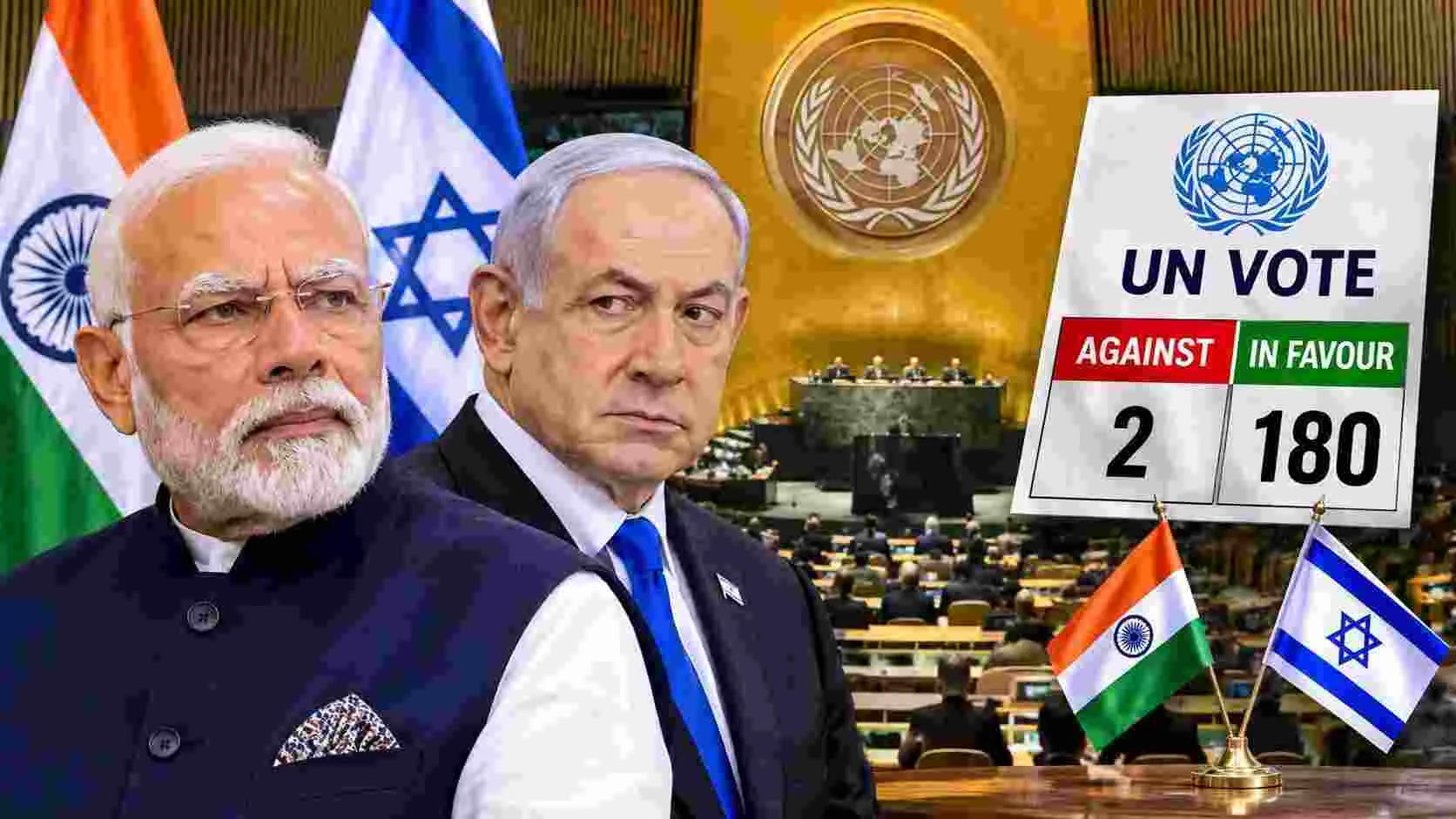
In a noteworthy diplomatic development at the United Nations, India and Israel voted against a regional arms control resolution proposed jointly by Pakistan and Belarus. While the measure ultimately secured adoption with broad international support, both nations articulated clear reservations, emphasizing that national security imperatives transcend strictly localized geographic parameters.
UN Arms Control Resolution Faces Opposition from India and Israel
During recent proceedings at the United Nations, a regional arms control resolution co-sponsored by Pakistan and Belarus came up for a vote. While the initiative successfully secured adoption following substantial backing from member states, it drew notable opposition from India and Israel, underscoring deep-seated strategic divergences on global disarmament frameworks.
India Outlines Core Objections
Explaining the rationale behind New Delhi’s opposing stance, India’s official delegate to the UN delivered a targeted critique of the resolution’s core tenets. The representative argued that contemporary national security dynamics transcend arbitrary geographic boundaries, suggesting that localized mandates can inadvertently dilute broader, established global disarmament architectures.
Furthermore, New Delhi raised explicit objections regarding specific references embedded within the text that pertained directly to South Asian arms control measures. India maintained that such localized prescriptions fail to capture the complex security realities of the region and could potentially complicate existing bilateral and multilateral security dialogues.
Strategic Alignment with Israel
The joint opposition by India and Israel highlights a shared perspective on international arms control resolutions that seek to impose regional frameworks without universal consensus or consideration of broader geopolitical realities. Both nations have historically maintained cautious approaches toward multilateral mechanisms that they perceive as failing to account for their distinct security environments.
Implications for Regional Diplomacy
Although the Pakistan-backed resolution successfully navigated the UN voting process due to wider international endorsement, the vocal dissent from key democratic nations like India and Israel signals ongoing contestation over multilateral arms control language. Observers note that India’s firm stance reinforces its consistent policy of rejecting prescriptive regional frameworks that it views as inconsistent with its overarching national security objectives.