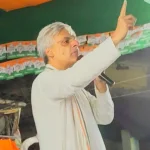

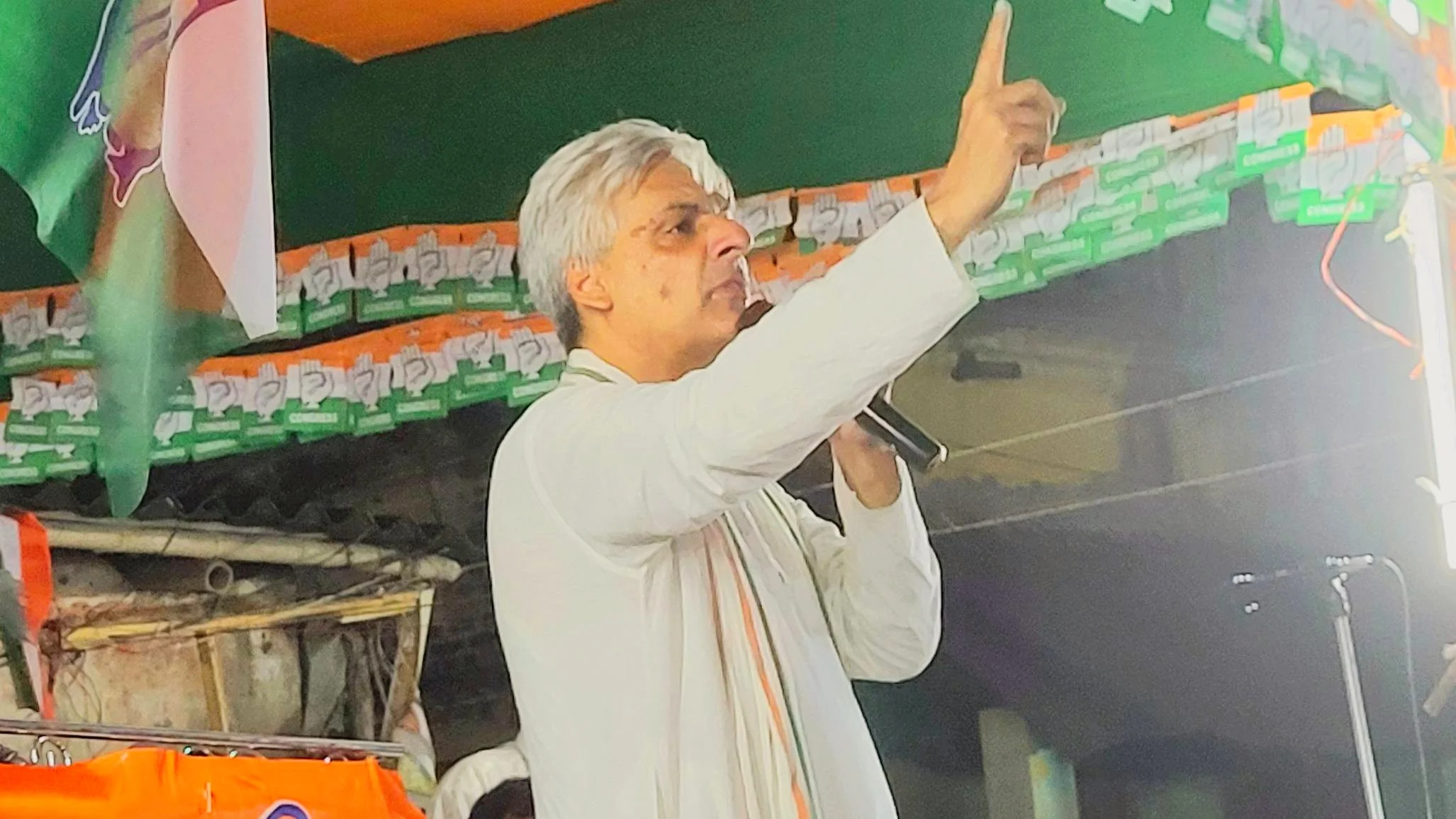
KOLKATA — In the dusty administrative corridors of Malda and the bustling offices of the West Bengal Pradesh Congress Committee, a familiar surname retains formidable political weight. Isha Khan Choudhury stepped into the Lok Sabha following the 2024 general elections, reclaiming a traditional family stronghold that had briefly slipped from Congress grasp. Party insiders indicate that his victory was not merely a personal triumph, but a calculated consolidation of minority votes and rural loyalty amid aggressive inroads by the ruling Trinamool Congress and the resurgent Bharatiya Janata Party.
Tracing Roots and Historic Precedents
The political lineage dates back to the post-Independence consolidation of the Congress party in West Bengal. Barkatda established an ironclad grip over Malda, functioning as a regional strongman who negotiated directly with central leadership in New Delhi. When generational shifts occurred, family members stepped naturally into legislative roles. Legislative records show that successive assembly and parliamentary victories in constituencies like Sujapur and Malda Dakshin remained within the family’s sphere of influence. However, the political ground beneath North Bengal has shifted dramatically over the past decade. The rise of the Trinamool Congress (TMC) altered the arithmetic of minority consolidation, while the BJP expanded its footprint across rural belts by capitalizing on polarization.
Navigating Electoral Arithmetic and Multiparty Friction
Securing the Malda Dakshin mandate required intense grassroots mobilization. According to district committee members who spoke on condition of anonymity, the campaign relied heavily on traditional voter networks rather than high-tech war rooms. The Congress party faced immense pressure from TMC leadership, which routinely dismissed the grand old party’s regional relevance in state politics. At the same time, local BJP organizers mounted an aggressive counter-campaign focusing on central welfare schemes and infrastructural deficits. Despite these multi-pronged challenges, Khan Choudhury managed to retain crucial agrarian blocks. Party strategists acknowledged off the record that an unwritten tactical understanding in specific pockets prevented a complete fracture of the anti-BJP vote.
Assessing Legislative Priorities and Regional Governance
Representing a constituency marked by chronic river erosion, agrarian distress, and high outward migration demands rigorous parliamentary engagement. Constituents frequently raise grievances concerning the sluggish pace of embankment construction along the Ganga and Mahananda rivers. Local administrators note that central fund allocations for flood management remain a persistent administrative bottleneck. Parliamentary archives reveal that Khan Choudhury has used recent sessions to press ministries for accelerated rail connectivity and enhanced agricultural subsidies. Critics within opposing camps, nonetheless, argue that legislative outputs have fallen short of the sweeping promises made during the election campaigns.
Confronting Coalition Realities and State-Level Dilemmas
The broader political horizon for the Congress in West Bengal remains fraught with contradiction. While the party maintains a national alliance framework under the INDIA bloc, its state unit frequently locks horns with Mamata Banerjee’s TMC administration. Local MLAs aligned with Khan Choudhury admit privately that maintaining this duality is exhausting. Grassroots workers demand aggressive opposition to state-level governance failures, while national leaders balance delicate seat-sharing equations. This friction complicates local administrative coordination, often delaying developmental projects that require joint central and state funding approvals.
Preparing for Upcoming Political Milestones
Attention now shifts toward upcoming rural local body elections and organizational restructuring across North Bengal. District Congress committees have scheduled a series of closed-door review meetings in Malda starting next Monday to evaluate booth-level preparedness. Meanwhile, parliamentary committees chaired or attended by regional MPs are slated to review ministry disbursements ahead of the winter session of Parliament beginning in late November. Isha Khan Choudhury faces the immediate task of insulating his voter base from aggressive poaching attempts by rival formations while delivering tangible infrastructural relief to a constituency weary of political grandstanding.