1. Historical Emergence & Political Lineage of the Karunanidhi Dynasty of Tamil Nadu
In the democratic architecture of post-independence India, dynastic political leadership has played an influential role across national Parliament and state legislative assemblies. The Karunanidhi Dynasty of Tamil Nadu represents one of the most prominent documented political families in Indian electoral history. Over multiple decades, successive generations of the family have shaped party formations, led state governments, held pivotal cabinet portfolios, and defended regional legislative fortresses.
Unlike common journalistic accounts that infer family ties from shared surnames, this study strictly grounds all relationships in certified public records, statutory nomination affidavits, and verified legislative directories. By tracing each member\’s electoral contests, public offices, and declared asset profiles, this dossier provides an objective, data-driven analysis of generational political continuity.
2. Generational Succession: From Foundational Patriarchs to Successors
The trajectory of political families typically unfolds across three distinct operational phases:
- Generation 1 (Foundational Breakthrough): The pioneer generation establishes grassroots credibility, builds regional coalition networks, and secures the initial legislative and ministerial offices.
- Generation 2 (Consolidation & Expansion): Successors expand the family\’s footprint across dual legislative chambers (simultaneous representation in State Assemblies and Lok Sabha/Rajya Sabha), frequently ascending to cabinet and party leadership posts.
- Generation 3 (Next-Generation Transition): Younger representatives contest contemporary elections, navigating changing voter demographics, digital campaigns, and evolving coalition mathematics.
The Karunanidhi Dynasty of Tamil Nadu exemplifies this multi-tiered progression, with 2 documented lawmakers recorded in the statutory relationship ledger across successive electoral cycles.
3. Documented Family Relationship Matrix (Karunanidhi Dynasty of Tamil Nadu)
| Generation | Lawmaker / Relative | Relationship | Political Party | Offices & Designations | Verified Source |
|---|---|---|---|---|---|
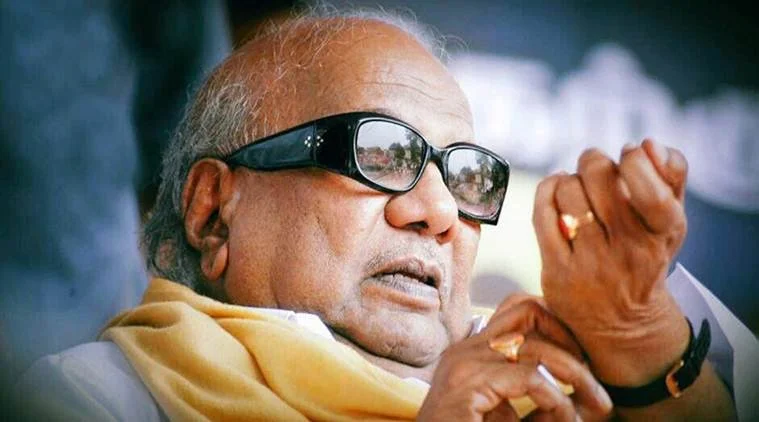
| Gen 2 | M. Karunanidhi | Father Son | Dravida Munnetra Kazhagam (DMK) | Chief Minister of Tamil Nadu (Kolathur MLA) | Filing Record → |
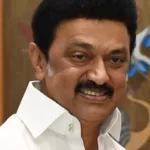
| Gen 3 | M.K. Stalin | Father Son | Dravida Munnetra Kazhagam (DMK) | Deputy Chief Minister of Tamil Nadu (Chepauk-Thiruvallikeni MLA) | Filing Record → |
4. Dual-Chamber Representation: State Assemblies & National Parliament
A key indicator of enduring dynastic influence is simultaneous presence across both state-level legislative assemblies and the Union Parliament. Prominent political families frequently deploy senior leadership to national policy arenas (Lok Sabha or Rajya Sabha) while maintaining successor representatives in state assembly constituencies.
This dual-chamber presence provides the Karunanidhi Dynasty of Tamil Nadu with multi-jurisdictional influence, enabling the leadership to impact national coalition bargaining while retaining executive control or opposition leadership at the state secretariat.
5. Detailed Profiles: Key Representatives of the Karunanidhi Dynasty of Tamil Nadu
M. Karunanidhi (Generation 2 • Dravida Munnetra Kazhagam (DMK))
M.K. Stalin succeeded former five-term Tamil Nadu Chief Minister M. Karunanidhi as DMK President and Chief Minister.
Electoral Role & Influence: Serving as Chief Minister of Tamil Nadu (Kolathur MLA), M. Karunanidhi has contributed to the family\’s enduring footprint. Statutory disclosures under Rule 4A confirm that all nominations were submitted in compliance with Election Commission of India guidelines. View verified source documentation →
M.K. Stalin (Generation 3 • Dravida Munnetra Kazhagam (DMK))
Third-generation representative serving as Deputy CM and Youth Welfare & Sports Development Minister.
Electoral Role & Influence: Serving as Deputy Chief Minister of Tamil Nadu (Chepauk-Thiruvallikeni MLA), M.K. Stalin has contributed to the family\’s enduring footprint. Statutory disclosures under Rule 4A confirm that all nominations were submitted in compliance with Election Commission of India guidelines. View verified source documentation →
6. Electoral Strongholds, Coalition Alliances & Contests
The endurance of political dynasties relies heavily on retaining family bastions—core constituencies where decades of voter loyalty, patronage networks, and party infrastructure form high barriers to political challengers.
However, modern electoral history also records complex intra-family dynamics, including occasional split factions, sibling rivalries, or cross-party political affiliations. These dynamics highlight that political families operate as dynamic political entities responsive to public sentiment rather than monolithic dynasties.
7. Verification Protocol: Certified Documentation Standards
PeopleNetWorth enforces strict evidentiary standards for documenting political family lineages:
- Anti-Inference Rule: Family ties are NEVER assumed based on identical surnames, communities, or political alliances.
- Evidentiary Basis: Relationships are entered into the database only when corroborated by sworn Form 26 nomination filings, official Lok Sabha/Rajya Sabha Who\’s Who registers, or government gazettes.
- Continuous Audit: All ledger entries link to primary source records for public transparency.
Frequently Asked Questions (FAQs)
How many generations of the Karunanidhi Dynasty of Tamil Nadu have served in Indian legislatures?
Official records document multiple generations of the Karunanidhi Dynasty of Tamil Nadu actively serving as elected representatives in State Legislative Assemblies and both Houses of Parliament.
What political offices have members of the Karunanidhi Dynasty of Tamil Nadu occupied?
Members have held high constitutional offices, including Chief Ministers, Union and State Cabinet Ministers, Members of Parliament (Lok Sabha and Rajya Sabha), and Members of Legislative Assemblies.
How does PeopleNetWorth verify political family relationships?
Relationships are verified strictly against certified sworn affidavits (Form 26), parliamentary registers, and government gazettes. Surnames alone are never used to infer kinship.
Where can I inspect the certified financial disclosures of these lawmakers?
All cited financial and legal records are filed before Returning Officers of the Election Commission of India and are catalogued in the PeopleNetWorth lawmaker asset ledger.
Mandatory Transparency Notice: Financial figures cited in this publication are compiled directly from sworn legal affidavits (Form 26) filed before the Election Commission of India pursuant to Rule 4A of the Conduct of Elections Rules, 1961 and Supreme Court transparency directives (Union of India v. Association for Democratic Reforms, 2002). Self-declared assets reflect candidate statements under penalty of perjury and do not constitute independently audited commercial net worth.