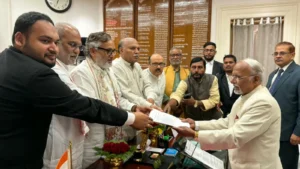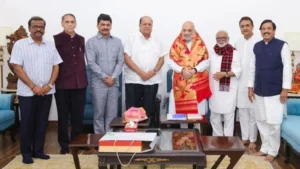

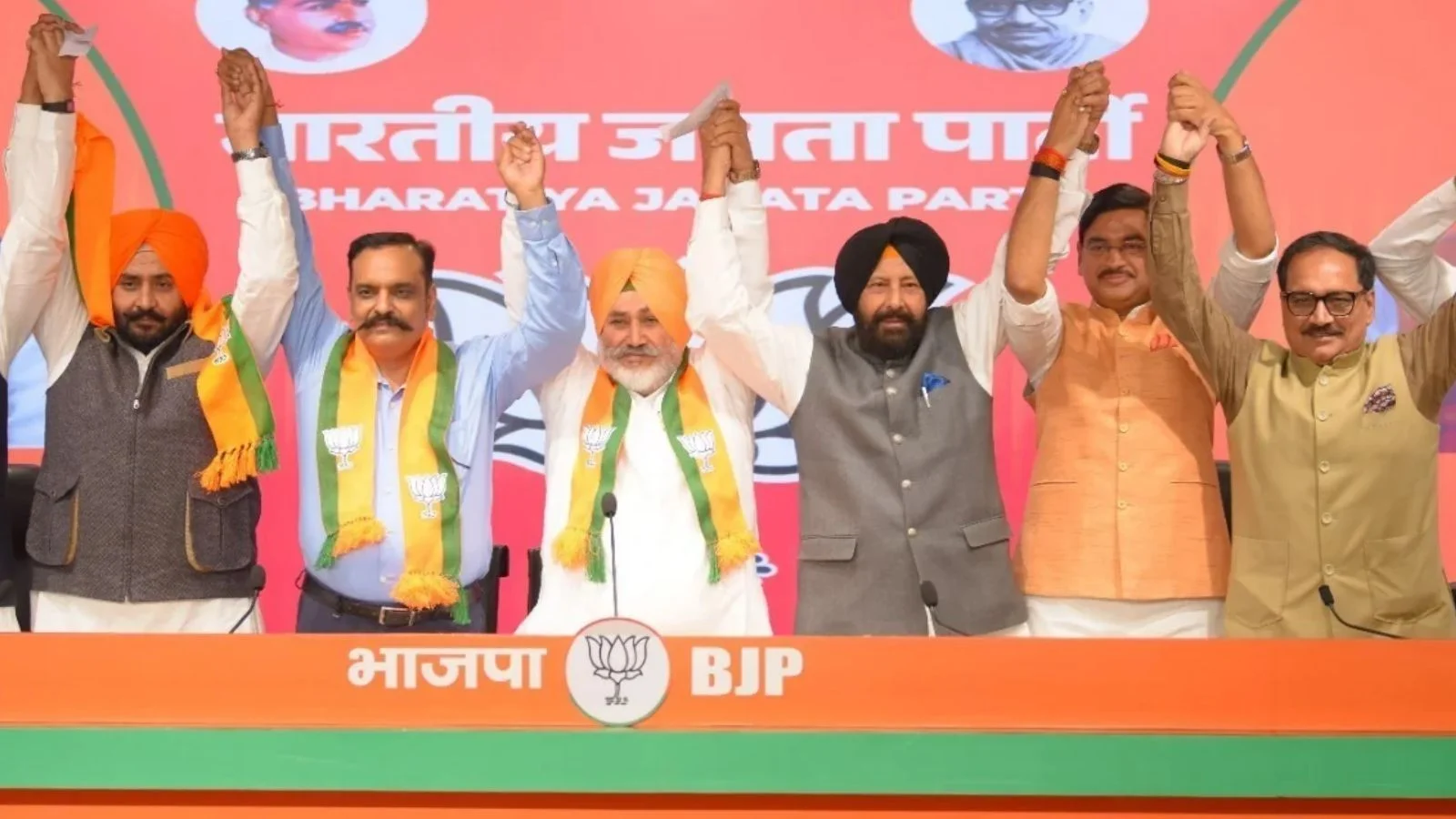
Recent political developments in Punjab have witnessed notable figures parting ways with the Aam Aadmi Party, sparking widespread discussions across political circles regarding dissent, sidelining, and policy controversies. These high-profile exits highlight the evolving political landscape in the state as various leaders reevaluate their affiliations amid changing regional dynamics.
The recent political landscape in Punjab has experienced notable shifts following several departures from the ruling Aam Aadmi Party. These developments have brought internal party dynamics into sharp focus, prompting intense discussions among political analysts and observers regarding unity, governance, and party management within the state organization.
Examining the Factors Behind the Exits
Observers note that political transitions of this magnitude rarely happen in isolation. The departures underscore underlying tensions that have brewed over time, involving varying perspectives on party administration, policy implementation, and internal communication. While party leadership maintains that such movements are routine and do not impact grassroots strength, critics argue that these transitions reflect deeper discontent among elected representatives.
Impact on State Politics
The shifting allegiances of prominent leaders can significantly alter local equations and constituency-level strategies. As political parties gear up for future electoral battles, maintaining cohesion among elected legislators remains a paramount challenge. These developments also offer opposing political formations an opportunity to intensify their critique of the current administration.
As the political narrative continues to evolve in Punjab, public attention remains focused on how both the ruling formation and the departing leaders will navigate their respective political futures. The unfolding scenario emphasizes the fluid nature of contemporary Indian politics, where alliance alignments and personal political trajectories remain subject to rapid change.