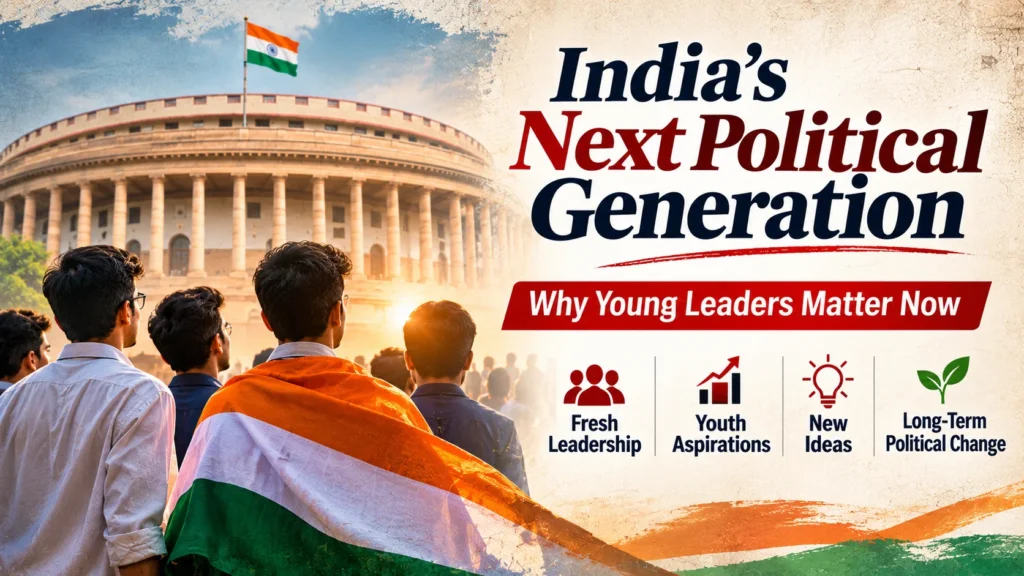
India’s political future may not be decided by the leaders dominating today’s headlines. It may be shaped by a generation currently building its political identity—inside Parliament, on the streets, through party organisations, and across an increasingly competitive digital political landscape.
The transition, however, will not be easy.
Indian politics remains deeply rooted in established leadership, organisational networks, regional identities, political families and electoral experience. For younger politicians, entering the system is only the first challenge. The bigger task is to establish independent credibility, expand their political base and prove that they can lead beyond the influence of the institutions or personalities that helped them rise.
The emerging generation is therefore facing a defining question: Can political visibility become political authority?
Some have inherited powerful political networks. Others have emerged through electoral victories, ideological mobilisation or party organisation. But all represent different possibilities in a political landscape that will continue to evolve through the remainder of this decade.
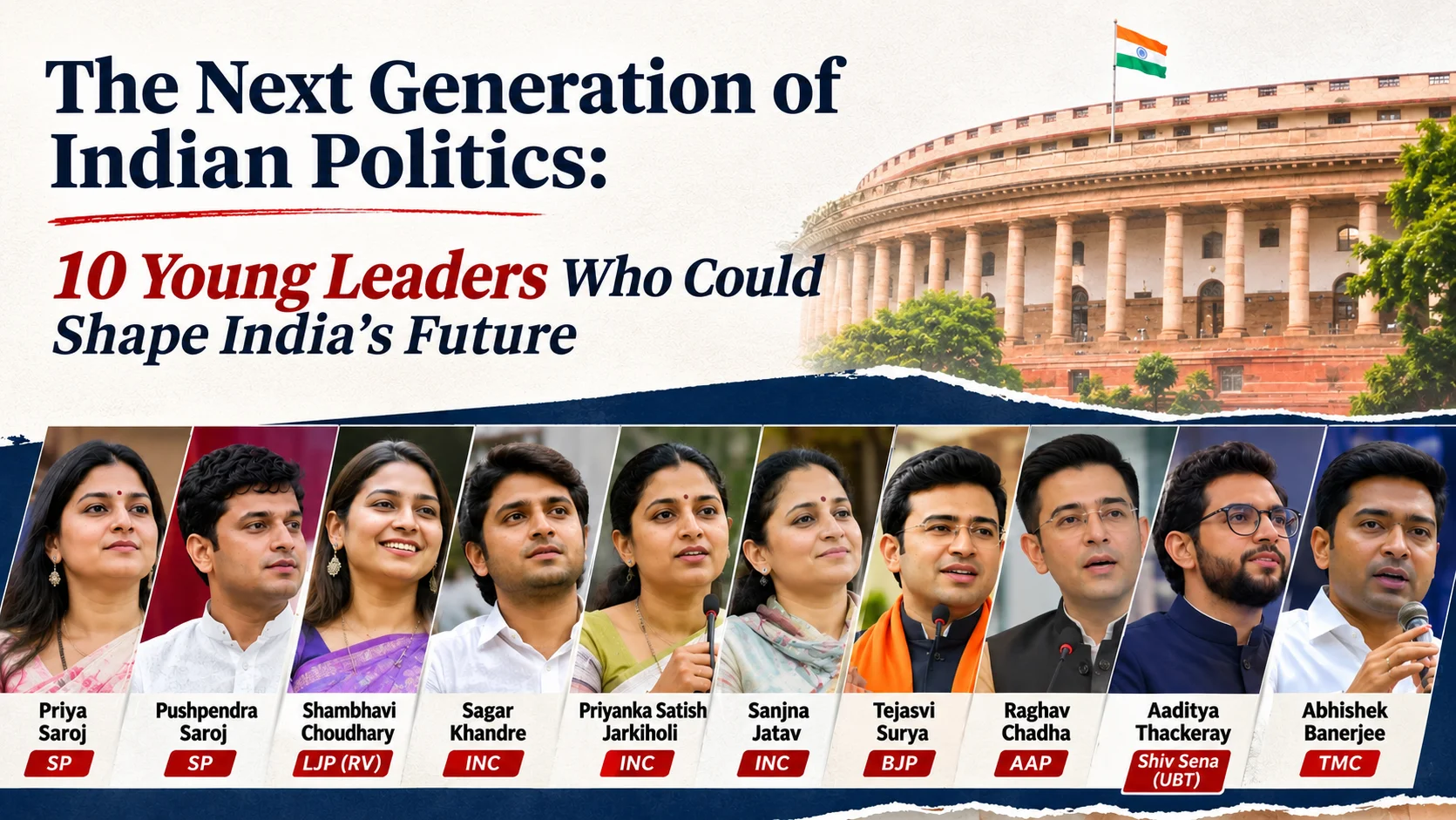
PeopleNetWorth examines 10 political leaders whose careers could offer important clues about the direction of India’s future politics.
1. Priya Saroj — A New Generation of Representation in Uttar Pradesh
Party: Samajwadi Party
Constituency: Machhlishahr, Uttar Pradesh
Priya Saroj represents one of the most interesting developments in India’s parliamentary politics: the arrival of a genuinely younger generation of elected representatives at a time when political participation among young people remains limited.
Her electoral entry is important not simply because of her age, but because Uttar Pradesh remains one of India’s most consequential political states. Any leader who develops a strong constituency here has the potential to become relevant beyond local politics.
Her long-term political opportunity lies in building an identity around parliamentary performance, constituency development, public engagement and issues affecting young people and marginalised communities.
The challenge will be to avoid being defined entirely by the political environment in which she entered Parliament. A successful political career requires an independent voice, a recognisable record and the ability to connect with voters beyond the initial electoral mandate.
What could define her future: Whether she develops into a constituency-focused leader with a distinct political identity and broader influence within Uttar Pradesh politics.
2. Pushpendra Saroj — The Test of Youth, Organisation and Electoral Responsibility
Party: Samajwadi Party
Constituency: Kaushambi, Uttar Pradesh
Pushpendra Saroj’s entry into Parliament reflects the changing face of electoral representation. Younger politicians are increasingly entering legislatures, but the opportunity comes with a level of scrutiny that can quickly separate political promise from political performance.
For a first-term MP, the early years are particularly important. Parliamentary participation, constituency accessibility, issue-based interventions and the ability to maintain a strong local connection can establish the foundation for a long political career.
The real opportunity for Pushpendra Saroj is to build credibility through consistent work rather than rely exclusively on the attention that accompanies a young electoral victory.
His constituency provides a political environment in which development, infrastructure, education, employment and social representation can become important elements of his political identity.
What could define his future: His ability to transform a parliamentary position into sustained grassroots support and a record voters can evaluate.
3. Shambhavi Choudhary — The Importance of Young Women in Political Leadership
Party: Lok Janshakti Party (Ram Vilas)
Constituency: Samastipur, Bihar
The emergence of younger women MPs is one of the most important aspects of India’s evolving political representation.
Shambhavi Choudhary represents a generation entering politics at a time when women have increasing visibility in public debate, yet remain underrepresented across many levels of political decision-making.
Her future political relevance will depend on the extent to which she develops an independent political voice, establishes constituency-level credibility and participates meaningfully in issues beyond symbolic representation.
The larger question surrounding leaders like Shambhavi is whether the next generation of women politicians will gain greater access to organisational power, leadership positions and the ability to influence political priorities.
The significance of her career may therefore extend beyond her individual political journey.
What could define her future: Whether she can develop into an independent political leader with influence in Bihar’s electoral and organisational politics.
4. Sagar Khandre — A Young Representative in a Competitive Political Landscape
Party: Indian National Congress
Constituency: Bidar, Karnataka
Sagar Khandre represents the younger generation entering national politics through established political organisations.
His political journey will be closely connected to a broader challenge facing young representatives: how to build an individual profile while operating within the structures of an established party.
For younger politicians, the party platform offers access to organisational resources, political experience and established voter networks. But it also creates the challenge of distinguishing personal political identity from the larger party narrative.
Karnataka is a politically competitive state where regional dynamics, governance performance, community representation and national political narratives intersect.
A young MP who can establish a strong constituency connection and develop expertise in specific policy areas may gradually build influence beyond the advantages of electoral entry.
What could define his future: His ability to combine party organisation, constituency work and independent parliamentary credibility.
5. Priyanka Satish Jarkiholi — Political Networks and the Next Generation of Leadership
Party: Indian National Congress
Constituency: Chikkodi, Karnataka
Priyanka Satish Jarkiholi represents the growing presence of younger political leaders in Karnataka’s parliamentary landscape.
Her political future will be shaped by an important balance: organisational strength on one side and the development of an independent public identity on the other.
Political networks can provide an important starting point, particularly in a state where electoral competition involves strong regional, community and organisational considerations. But long-term political influence depends on whether a leader can develop a broader connection with voters.
For younger politicians, the transition from electoral recognition to leadership credibility can be a demanding process.
The coming years will determine whether she establishes a distinct political profile through constituency engagement, parliamentary activity and the issues she chooses to champion.
What could define her future: The ability to convert political access and electoral opportunity into an independent record of public leadership.
6. Sanjna Jatav — Representation That Could Become Political Influence
Party: Indian National Congress
Constituency: Bharatpur, Rajasthan
Sanjna Jatav’s emergence carries significance in a political system where age, gender and social representation continue to influence the composition of elected institutions.
Her political journey presents an important opportunity: developing a public profile that connects representation with substantive political work.
The challenge for younger representatives is that expectations can be exceptionally high. Voters may see them as symbols of change, but symbolism alone cannot sustain a political career.
A politician who builds credibility through local engagement, social issues, constituency development and consistent public communication can gradually move beyond the limitations of being labelled an emerging leader.
For Sanjna Jatav, the next stage of political development will be important in determining whether her electoral entry becomes the beginning of a larger political career.
What could define her future: Whether she becomes a recognisable voice on constituency and social issues with a sustained political presence.
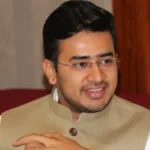
7. Tejasvi Surya — The Power and Limitations of Political Communication
Party: Bharatiya Janata Party
Constituency: Bengaluru South, Karnataka
Tejasvi Surya represents a style of politics in which communication, ideological positioning and public visibility play a major role in building a political identity.
In modern Indian politics, the ability to articulate a position clearly, participate in national debates and connect with digitally engaged audiences can create opportunities that were less accessible to earlier generations.
However, political communication is also a double-edged sword.
A leader who becomes associated primarily with ideological arguments or public controversy may find it difficult to expand beyond an existing audience. The larger challenge is to demonstrate leadership across a wider range of issues, including economic development, urban governance, infrastructure, employment and public policy.
Bengaluru South offers a politically important platform, particularly because urban voters often engage with issues involving technology, infrastructure, education, entrepreneurship and civic administration.
Tejasvi Surya’s future influence will depend on how effectively he combines his communication strengths with broader political credibility.
What could define his future: Whether he evolves from a high-visibility political communicator into a leader capable of building wider consensus and organisational influence.
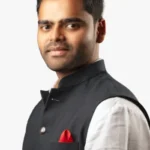
8. Raghav Chadha — The Politics of Image, Policy and Urban Aspirations
Party: Aam Aadmi Party
Raghav Chadha represents a different political proposition: a relatively modern political image, communication-focused politics and the ability to engage audiences beyond traditional political structures.
His political profile illustrates how younger leaders can use public communication, parliamentary visibility and media engagement to establish themselves.
But the question facing him—and many leaders of his generation—is whether a modern political image can translate into lasting political influence.
Indian voters may respond to a leader’s presentation, communication style or perceived accessibility, but electoral politics ultimately requires organisational strength, political consistency and the ability to navigate difficult situations.
The future of leaders like Chadha may depend on how they balance personal visibility with party dynamics, public credibility and the development of a broader political base.
What could define his future: Whether he can turn public visibility and communication strengths into durable political influence.
9. Aaditya Thackeray — Can a Political Legacy Become an Independent Leadership Identity?
Party: Shiv Sena (UBT)
State: Maharashtra
Aaditya Thackeray represents one of the most closely watched political transitions in Maharashtra: the evolution of leadership within a powerful regional political legacy.
Maharashtra’s politics is shaped by party organisation, regional identity, urban interests, alliances, community networks and political history. The challenge for a younger leader in this environment is not merely to preserve an established political identity, but to adapt it to a changing electorate.
The younger generation of voters may not connect with political narratives in exactly the same way as earlier generations. Urban development, employment, environmental concerns, transport, education and quality of life increasingly influence how political performance is evaluated.
Aaditya Thackeray’s opportunity lies in building a political identity that connects the historical strength of his party with the aspirations of a changing electorate.
His challenge is equally clear: establishing authority and political relevance in an environment where the party landscape and alliances remain competitive.
What could define his future: His ability to modernise a regional political identity while maintaining organisational strength and developing independent leadership credibility
10. Abhishek Banerjee — The National Potential of Regional Political Power
Party: All India Trinamool Congress
State: West Bengal
Abhishek Banerjee is an important figure in the conversation about India’s next generation of political leadership because he represents the intersection of regional dominance, party organisation and national political ambition.
West Bengal has a distinctive political environment, where party identity, leadership, grassroots organisation and political mobilisation remain central to electoral competition.
For a younger leader emerging from a powerful regional party, the opportunity is to strengthen the organisation while expanding its political relevance beyond the state.
National politics, however, demands a different scale of leadership. Influence outside a home state requires alliances, policy positions, political credibility and the ability to engage with issues that resonate across different regions.
Abhishek Banerjee’s future political trajectory will therefore be closely connected to the broader question of how regional parties can shape national political outcomes.
What could define his future: Whether he can combine regional organisational influence with a broader national political role.
The Bigger Picture: India’s Young Politicians Face a System That Is Still Older Than They Are
The emergence of young leaders is often presented as evidence that Indian politics is changing.
But a closer examination reveals a more complicated picture.
Young politicians are entering a system where political experience, organisational networks, family connections, party structures and electoral resources remain powerful determinants of success.
Recent parliamentary representation data also highlights how limited the number of very young elected representatives remains. Gen Z’s presence in legislatures is small relative to its demographic significance, while political backgrounds and family networks continue to play an important role in the emergence of many younger politicians.
This suggests that India’s political transition may not necessarily be a transition away from established political structures.
It could instead be a transition in which those structures are gradually occupied, reshaped and challenged by a younger generation.
The real question is whether young leaders will change the political system—or whether the system will change them.
The Five Forces That Could Decide Their Political Future
1. Employment and economic opportunity
The leader who can speak credibly about jobs, skills, entrepreneurship, economic mobility and the future of India’s workforce may establish a stronger connection with younger voters.
2. Political organisation
Digital popularity can generate attention. Strong organisation generates electoral outcomes. Leaders who develop both may possess a decisive advantage.
3. Independent identity
Political inheritance may provide a starting point. Long-term success will require leaders to establish their own record, political position and credibility.
4. Governance experience
The transition from political campaigning to administration is one of the most difficult tests. Leadership will increasingly be judged through decisions, outcomes and the ability to manage complex public issues.
5. Public trust
Political careers can rise rapidly, but credibility takes time to build. Consistency, transparency, public engagement and performance may ultimately determine which leaders survive beyond the next electoral cycle.
Who Is Most Likely to Matter by 2030?
There is no reliable way to predict which of these leaders will become national power centres by 2030. Political careers can change dramatically following elections, party realignments, leadership transitions and unexpected events.
But the next decade could reward leaders who possess a combination of five characteristics:
- A strong electoral base
- An independent political identity
- Organisational ability
- Effective public communication
- A credible vision for India’s economic and social future
The leaders who combine these strengths may have a greater opportunity to move from being emerging political figures to becoming influential decision-makers.
The rest may remain prominent names without translating visibility into lasting power.
The Future Will Not Be Decided by Age Alone
India’s political future will not automatically belong to its youngest leaders.
Age creates opportunity, but it does not guarantee authority. A young politician may attract attention without building a constituency. Another may remain relatively unknown nationally while developing a formidable local political base.
The next generation faces a more demanding political environment than simply being younger than its predecessors. It must compete for public attention, demonstrate competence, respond to rapidly changing expectations and operate within political structures that are often difficult to penetrate.
The most consequential political leaders of the coming decade may be those who understand that voters are not looking for youth as a qualification in itself.
They are looking for leadership that feels relevant to the future.
India’s next political generation has arrived. The question is no longer who is young enough to lead—but who is capable of earning the power to do so.